😀 这里写文章的前言:
可以说说你的故事:阻碍、努力、结果成果,意外与转折。
📝 HashMap 源码阅读 HashMap 这种Key,Value 的存储结构,是我们在写代码中经常使用到的.可以说使用是非常频繁的,不过现在使用JSONObject也是非常多的,二者都是实现了Map接口
所以看下HashMap源码是非常有必要的
结构 这里我们要看下 HashMap的内部类
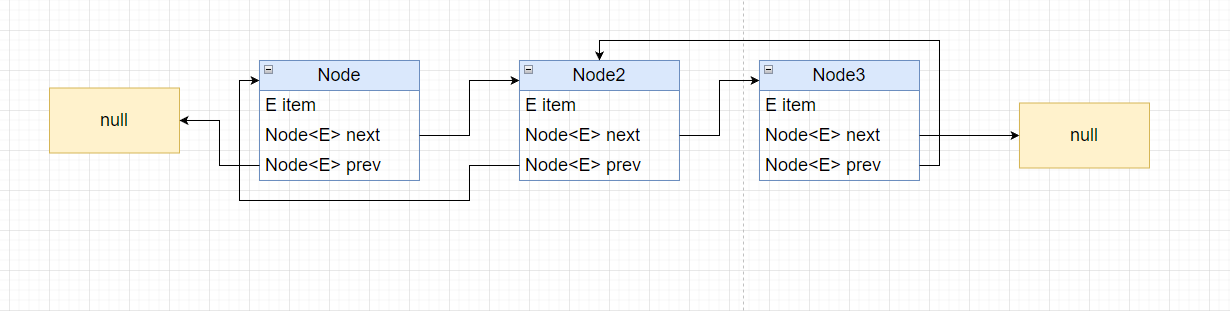
这里的 Node 节点就是 HashMap存放数据的结构. hash 计算出来的哈希值,key就是HashMap中的key,value就是key对应的value的值. 这个 next 就是 key 不一样,计算出来的hash却是一样的,这样就有了hash冲突,所以就将节点存放在next里面了,从尾部插入进去. java8 后,如果next的长度是大于8的话,就会转化了红黑树来存储,那样获取值的速度变快了
static class Node <K,V> implements Map .Entry<K,V> { final int hash; final K key; V value; Node<K,V> next; Node(int hash, K key, V value, Node<K,V> next) { this .hash = hash; this .key = key; this .value = value; this .next = next; } public final K getKey () { return key; } public final V getValue () { return value; } public final String toString () { return key + "=" + value; } public final int hashCode () { return Objects.hashCode(key) ^ Objects.hashCode(value); } public final V setValue (V newValue) { V oldValue = value; value = newValue; return oldValue; } public final boolean equals (Object o) { if (o == this ) return true ; if (o instanceof Map.Entry) { Map.Entry<?,?> e = (Map.Entry<?,?>)o; if (Objects.equals(key, e.getKey()) && Objects.equals(value, e.getValue())) return true ; } return false ; } }
TreeNode 这个内部类就是表示红黑树的. TODO 后续进行更新
参数, 可以看到 HashMap 是使用了一个数组来进行存储 Node节点
transient Node<K,V>[] table;transient int size;static final int DEFAULT_INITIAL_CAPACITY = 1 << 4 ; static final int MAXIMUM_CAPACITY = 1 << 30 ;static final float DEFAULT_LOAD_FACTOR = 0.75f ;
方法 构造函数 public HashMap () { this .loadFactor = DEFAULT_LOAD_FACTOR; } public HashMap (int initialCapacity) { this (initialCapacity, DEFAULT_LOAD_FACTOR); } public HashMap (int initialCapacity, float loadFactor) { if (initialCapacity < 0 ) throw new IllegalArgumentException ("Illegal initial capacity: " + initialCapacity); if (initialCapacity > MAXIMUM_CAPACITY) initialCapacity = MAXIMUM_CAPACITY; if (loadFactor <= 0 || Float.isNaN(loadFactor)) throw new IllegalArgumentException ("Illegal load factor: " + loadFactor); this .loadFactor = loadFactor; this .threshold = tableSizeFor(initialCapacity); } static final int tableSizeFor (int cap) { int n = cap - 1 ; n |= n >>> 1 ; n |= n >>> 2 ; n |= n >>> 4 ; n |= n >>> 8 ; n |= n >>> 16 ; return (n < 0 ) ? 1 : (n >= MAXIMUM_CAPACITY) ? MAXIMUM_CAPACITY : n + 1 ; } public HashMap (Map<? extends K, ? extends V> m) { this .loadFactor = DEFAULT_LOAD_FACTOR; putMapEntries(m, false ); } final void putMapEntries (Map<? extends K, ? extends V> m, boolean evict) { int s = m.size(); if (s > 0 ) { if (table == null ) { float ft = ((float )s / loadFactor) + 1.0F ; int t = ((ft < (float )MAXIMUM_CAPACITY) ? (int )ft : MAXIMUM_CAPACITY); if (t > threshold) threshold = tableSizeFor(t); } else if (s > threshold) resize(); for (Map.Entry<? extends K , ? extends V > e : m.entrySet()) { K key = e.getKey(); V value = e.getValue(); putVal(hash(key), key, value, false , evict); } } }
put方法 public V put (K key, V value) { return putVal(hash(key), key, value, false , true ); } static final int hash (Object key) { int h; return (key == null ) ? 0 : (h = key.hashCode()) ^ (h >>> 16 ); } final V putVal (int hash, K key, V value, boolean onlyIfAbsent, boolean evict) { Node<K,V>[] tab; Node<K,V> p; int n, i; if ((tab = table) == null || (n = tab.length) == 0 ) n = (tab = resize()).length; if ((p = tab[i = (n - 1 ) & hash]) == null ) tab[i] = newNode(hash, key, value, null ); else { Node<K,V> e; K k; if (p.hash == hash && ((k = p.key) == key || (key != null && key.equals(k)))) e = p; else if (p instanceof TreeNode) e = ((TreeNode<K,V>)p).putTreeVal(this , tab, hash, key, value); else { for (int binCount = 0 ; ; ++binCount) { if ((e = p.next) == null ) { p.next = newNode(hash, key, value, null ); if (binCount >= TREEIFY_THRESHOLD - 1 ) treeifyBin(tab, hash); break ; } if (e.hash == hash && ((k = e.key) == key || (key != null && key.equals(k)))) break ; p = e; } } if (e != null ) { V oldValue = e.value; if (!onlyIfAbsent || oldValue == null ) e.value = value; afterNodeAccess(e); return oldValue; } } ++modCount; if (++size > threshold) resize(); afterNodeInsertion(evict); return null ; } final Node<K,V>[] resize() { Node<K,V>[] oldTab = table; int oldCap = (oldTab == null ) ? 0 : oldTab.length; int oldThr = threshold; int newCap, newThr = 0 ; if (oldCap > 0 ) { if (oldCap >= MAXIMUM_CAPACITY) { threshold = Integer.MAX_VALUE; return oldTab; } else if ((newCap = oldCap << 1 ) < MAXIMUM_CAPACITY && oldCap >= DEFAULT_INITIAL_CAPACITY) newThr = oldThr << 1 ; } else if (oldThr > 0 ) newCap = oldThr; else { newCap = DEFAULT_INITIAL_CAPACITY; newThr = (int )(DEFAULT_LOAD_FACTOR * DEFAULT_INITIAL_CAPACITY); } if (newThr == 0 ) { float ft = (float )newCap * loadFactor; newThr = (newCap < MAXIMUM_CAPACITY && ft < (float )MAXIMUM_CAPACITY ? (int )ft : Integer.MAX_VALUE); } threshold = newThr; @SuppressWarnings({"rawtypes","unchecked"}) Node<K,V>[] newTab = (Node<K,V>[])new Node [newCap]; table = newTab; if (oldTab != null ) { for (int j = 0 ; j < oldCap; ++j) { Node<K,V> e; if ((e = oldTab[j]) != null ) { oldTab[j] = null ; if (e.next == null ) newTab[e.hash & (newCap - 1 )] = e; else if (e instanceof TreeNode) ((TreeNode<K,V>)e).split(this , newTab, j, oldCap); else { Node<K,V> loHead = null , loTail = null ; Node<K,V> hiHead = null , hiTail = null ; Node<K,V> next; do { next = e.next; if ((e.hash & oldCap) == 0 ) { if (loTail == null ) loHead = e; else loTail.next = e; loTail = e; } else { if (hiTail == null ) hiHead = e; else hiTail.next = e; hiTail = e; } } while ((e = next) != null ); if (loTail != null ) { loTail.next = null ; newTab[j] = loHead; } if (hiTail != null ) { hiTail.next = null ; newTab[j + oldCap] = hiHead; } } } } } return newTab; }
get方法 public V get (Object key) { Node<K,V> e; return (e = getNode(hash(key), key)) == null ? null : e.value; } static final int hash (Object key) { int h; return (key == null ) ? 0 : (h = key.hashCode()) ^ (h >>> 16 ); } final Node<K,V> getNode (int hash, Object key) { Node<K,V>[] tab; Node<K,V> first, e; int n; K k; if ((tab = table) != null && (n = tab.length) > 0 && (first = tab[(n - 1 ) & hash]) != null ) { if (first.hash == hash && ((k = first.key) == key || (key != null && key.equals(k)))) return first; if ((e = first.next) != null ) { if (first instanceof TreeNode) return ((TreeNode<K,V>)first).getTreeNode(hash, key); do { if (e.hash == hash && ((k = e.key) == key || (key != null && key.equals(k)))) return e; } while ((e = e.next) != null ); } } return null ; }
isEmpty方法 isEmpty 方法,这里就直接使用 size == 0 来进行判断,如果你的map是null的话,直接调用这个方法就会出现空指针
public boolean isEmpty () { return size == 0 ; }
🤗 总结归纳 这里只是选用了 put 和 get方法来进行讲解,因为这二个是经常调用的,所以得明白是一个怎么样得大体流程走向才行
📎 参考文章
💡 有关文章的问题,欢迎您在底部评论区留言,一起交流~